
Share this
Farm fire safety
The NSW RFS is part of every rural community and we work together with farmers to help make our communities safer. The NSW RFS has a strong partnership with the NSW Farmers Association to help mitigate and respond to the threat of fires. Together with farmers from across NSW, this page highlights a number of initiatives underway to support farmers and ensure we are working together before, during and after fires.
Farm Fire Plans
The majority of properties devastated by fire never fully recover. With the potential for millions of dollars worth of loss and damage, you can’t afford not to have a plan. The NSW RFS have worked with farmers to create the Farm Fire Plan to help manage fire risks on your land.
Getting ready for a bush fire is easier than you think. Just 5 minutes discussing what you'll do in a fire could save you, your family and your livelihood.
Download your Farm Fire Plan now.
FOUR SIMPLE STEPS
There are four simple steps to get ready for a bush fire. Here are some useful tools for each step to help you plan:
 PREPARE YOUR PROPERTY AND TAKE ACTION
 WHAT WILL YOU DO IN THE EVENT OF A FIRE?
 KNOW THE CONDITIONS
 KEEP THE BUSH FIRE INFORMATION NUMBERS, WEBSITES AND SMARTPHONE APP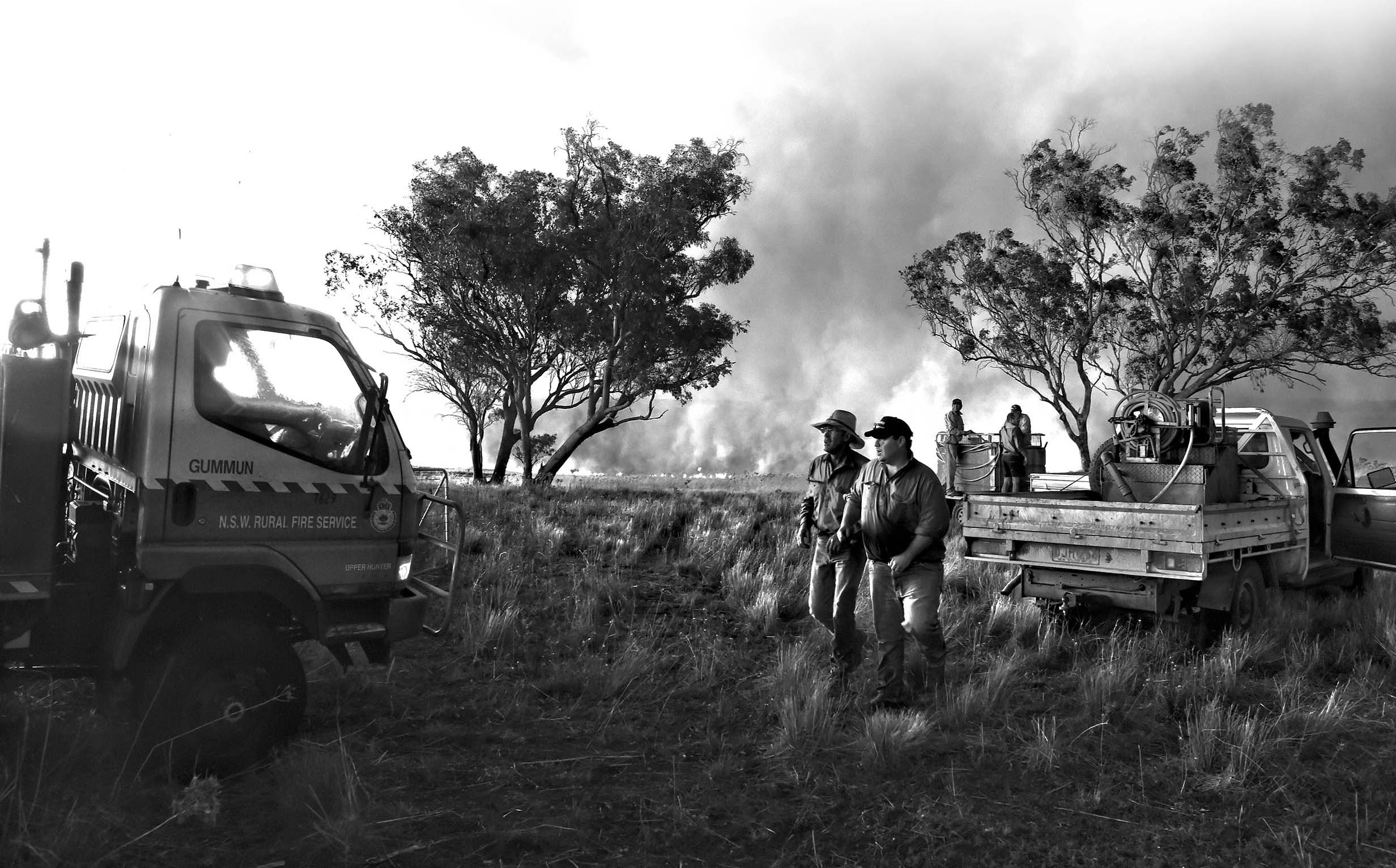
Farm Fire Units
The NSW RFS has worked with farmers to deliver guidelines for farm fire units working on firegrounds. It aims to ensure we all work together and keep each other safe as we protect our communities. You can find the relevant resources here:
Together, these documents represent our commitment to farmers and give FFU operators the necessary information to help them make informed decisions and communicate with NSW RFS crews on the fireground.
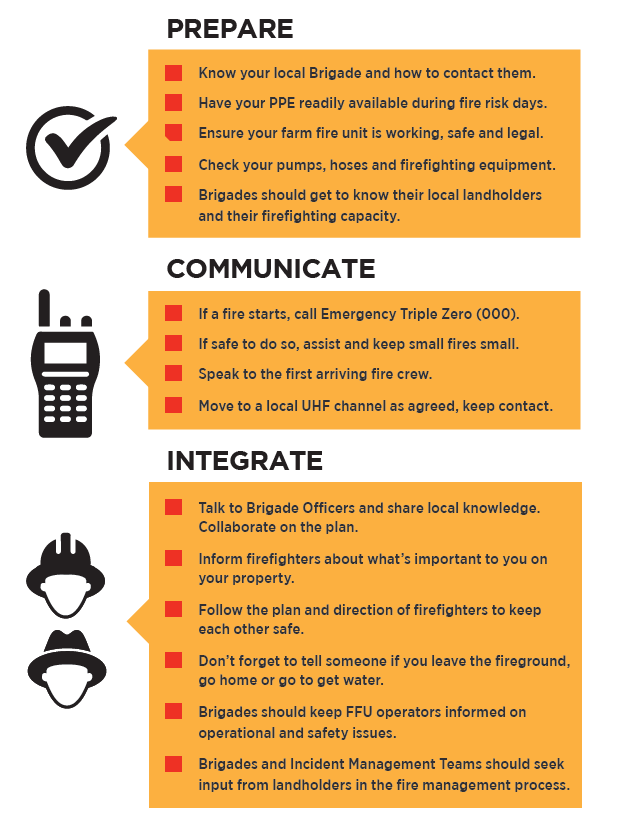
Ahead of the worst fire conditions, make sure you and your equipment are ready. Follow these simple steps to help keep each other safe:
Rural Liaison Officers
Working on the ground with locals during major fire events, Rural Liaison Officers are there to communicate with local farmers and incident controllers to understand what’s important for locals and achieve better outcomes for everyone. Rural Liaison Officers are typically both senior members of the NSW RFS and also farmers themselves.
Further Information
These are just a few of the initiatives currently underway as part of an Engagement Plan developed in partnership with NSW Farmers Association. Keep monitoring this page for the latest updates.

